

Best Clipless Pedals for Power Transfer
If your pedal stroke feels vague under load, the problem is often not your legs. It is the interface. The best clipless pedals for power transfer do not just hold your shoe in place - they create a stable, direct connection that lets force move cleanly from hip to crank without wasted motion, hot spots, or unsettling float.
That distinction matters more than many riders admit. A pedal can be light, popular, and easy to clip into yet still feel soft when you are driving hard over a rise or settling into threshold. Power transfer is not marketing language. It is the combined result of platform support, stack height, cleat engagement, axle stiffness, bearing quality, and how securely the system manages movement under real pedaling loads.
What actually makes the best clipless pedals for power transfer?
Power transfer starts with stability. When the contact area between shoe and pedal is broad and well supported, pressure spreads more evenly across the sole. That reduces the feeling of rocking or folding at the shoe-pedal interface and gives the rider a more planted platform when accelerating, sprinting, or climbing out of the saddle.
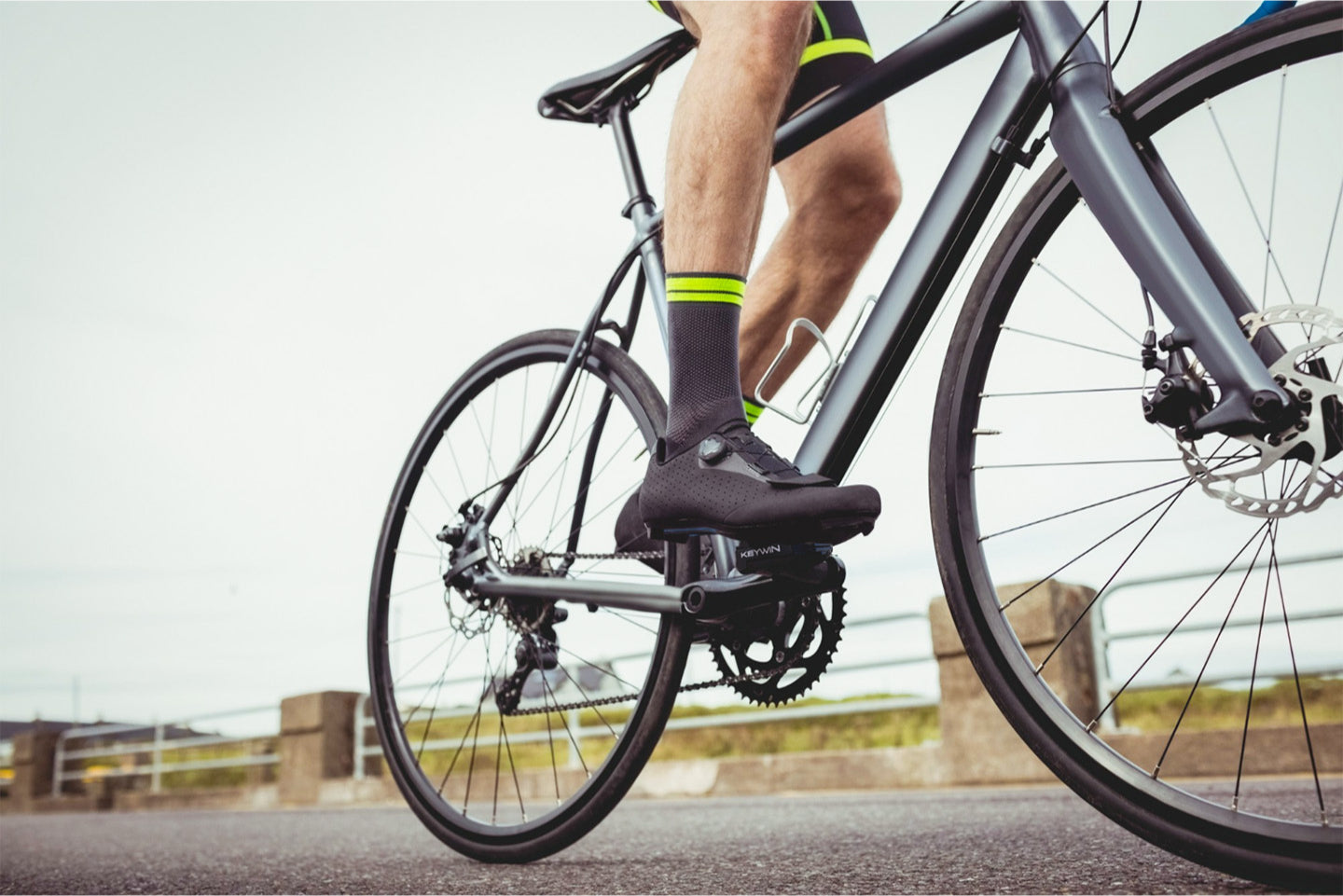
Stack height is the next major factor. A lower stack height places the foot closer to the pedal axle, which can improve pedaling efficiency and sharpen road feel. It is not magic, and the gains are not identical for every rider, but serious cyclists often notice the difference immediately. Lower stack can also help with fit refinement because it slightly alters the relationship between saddle height, ankle movement, and leverage through the stroke.
Then there is float. Too much uncontrolled float can feel vague. Too little can irritate knees, especially for riders with imperfect tracking or long training volume. The best systems balance security with enough rotational freedom to support natural biomechanics. That is why adjustability matters more than a one-size-fits-all number.
Axle material and body construction also shape feel under load. A well-engineered carbon pedal body paired with a high-quality titanium or cromoly axle can deliver excellent stiffness while keeping weight low. The point is not to chase grams in isolation. The point is to create a pedal that stays composed under force, ride after ride.
Why some pedals feel fast and others feel disconnected
A pedal can only transfer power as well as its interface allows. If the cleat engagement feels vague, if the shoe is not fully supported, or if the platform encourages pressure concentration in a small zone, the rider often compensates without realizing it. You may tense your feet, shift weight oddly, or alter your cadence to settle the connection.
That is where premium road pedal design separates itself from mass-market sameness. The strongest options are built around a complete riding outcome, not a feature checklist. They aim for a direct, stable feel that remains comfortable across long miles, because discomfort is its own form of inefficiency.
This is also why riders who train hard often become far more selective about pedals than newer cyclists expect. At easy endurance pace, many systems can feel acceptable. At race pace or during repeated hard efforts, the weaknesses appear quickly.
The key features to compare before you buy
Platform support
A stable platform is non-negotiable if power transfer is your priority. Bigger is not always better, but support has to be meaningful where the shoe loads the pedal. A secure platform helps the rider stay centered over the axle and reduces the deadened feel that can show up in smaller or less supportive designs.
Low stack height
Low stack height remains one of the clearest performance advantages in a road pedal. It helps create a more direct connection and can improve cornering confidence by keeping the system compact. Riders focused on fit should pay special attention here, because a lower stack may require a small saddle height adjustment.
Cleat engagement and retention feel
Positive engagement matters. You want clear entry, consistent release, and a locked-in sensation once clipped in. Retention should feel secure without creating a fight at every stop sign. For performance riding, vague entry and mushy release are not small annoyances - they chip away at confidence.
Adjustable float
Float should serve the rider, not dictate biomechanics. Adjustable float is especially useful for experienced cyclists dialing in comfort and knee tracking. A pedal that lets you tune movement can be faster in the real world than a theoretically stiffer system that irritates your joints after two hours.
Axle material and durability
Titanium saves weight. Cromoly often offers a more budget-friendly route to long-term toughness. Neither is automatically the right answer for every rider. Heavier or high-mileage cyclists may prioritize durability and value, while racers may prefer every possible gram saved if stiffness and reliability remain high.
Best clipless pedals for power transfer - what type of rider needs what?
Not every strong pedal suits every strong rider. The best choice depends on how you ride, how sensitive you are to fit, and whether your priority is peak race feel, all-day stability, or long-term durability.
If you are a racer or fast club rider, look for a pedal with low stack height, a very stable body, and a crisp, direct engagement feel. You want immediate response when the pace lifts. A pedal that disappears under you in the best way is usually the right one.
If you are a masters cyclist or dedicated enthusiast riding big weekly volume, power transfer still matters, but comfort and knee friendliness become even more valuable. In that case, a pedal with excellent platform support and adjustable float may outperform a harsher system that feels impressive for twenty minutes and punishing after three hours.
If you are equipment-sensitive and obsessive about fit, prioritize stack, float tuning, and cleat interface quality above brand popularity. Small fit improvements often produce better real-world performance than chasing whichever pedal has the loudest reputation.
Where trade-offs show up
Every pedal design is a series of decisions. Ultra-light systems can be excellent, but not if they give up platform confidence or durability. Very firm engagement can feel race-ready, but not if release becomes unpredictable in technical situations. Large amounts of float can protect some riders, yet too much free movement may reduce the connected feeling that makes a pedal feel truly fast.
There is also the maintenance question. A pedal that performs beautifully on day one but develops play early or demands frequent attention is not really a performance product. Serious riders need consistency. Bearing quality, assembly precision, and long-term serviceability matter because they preserve the pedal feel that justified the purchase in the first place.
That is one reason boutique engineering still has real value. When a brand builds around precision rather than volume, the result is often a pedal that feels more deliberate in every detail. Keywin has long taken that approach, with hand-built road pedals made in New Zealand and engineered around the fundamentals that serious riders actually feel - low stack height, platform stability, adjustable float, and durable axle options.
How to tell if your current pedals are holding you back
Most riders do not describe the problem as lost power. They describe symptoms. Maybe your feet feel unsettled when you sprint. Maybe you get pressure hot spots on longer rides. Maybe clipping in feels inconsistent, or the bike never quite feels connected when you are trying to hold tempo on rolling roads.
Those are signs worth paying attention to. Pedals should feel planted, predictable, and calm under force. If you are constantly aware of them for the wrong reasons, the interface may be costing more than you think.
You can also look at your setup history. If you have already addressed shoes, insoles, and cleat position but still feel instability, the pedal itself becomes the obvious suspect. Riders often spend heavily on frames and wheels while tolerating a mediocre pedal feel every single ride.
The smartest way to choose
Start with your riding goals, then work backward through the pedal design. If you want the best clipless pedals for power transfer, focus first on stable support, low stack height, and a secure cleat interface. After that, choose the axle material and float range that fit your body, budget, and mileage.
Ignore hype about what is supposedly best for everyone. There is no universal answer, because biomechanics differ and so do performance priorities. But there is a clear standard: the right pedal should make the bike feel more direct, more planted, and easier to drive hard.
That is the real benchmark. When the interface is right, power transfer stops being something you think about and starts being something you trust every time the road tilts up and the pace rises.


