

Best Pedals for Long Rides Explained
The best pedals for long rides are rarely the flashiest option on the bike. You feel the right choice after four hours, not four minutes - when your feet stay stable, your knees track cleanly, and power still feels direct instead of vague. For serious road riders, pedal comfort is not separate from performance. It is performance.
Long rides expose every weakness in a pedal system. A small platform can create hot spots. Too little float can irritate knees and hips. Excess stack height can subtly change fit and pedaling feel. Even a few grams saved in the wrong place mean little if the pedal lacks support when fatigue sets in.
What makes the best pedals for long rides?
For endurance road riding, the right pedal has to do three jobs at once. It needs to transfer power efficiently, support the foot evenly across the stroke, and let the rider move naturally enough to avoid overuse discomfort. If one of those is missing, the ride gets harder than it should.
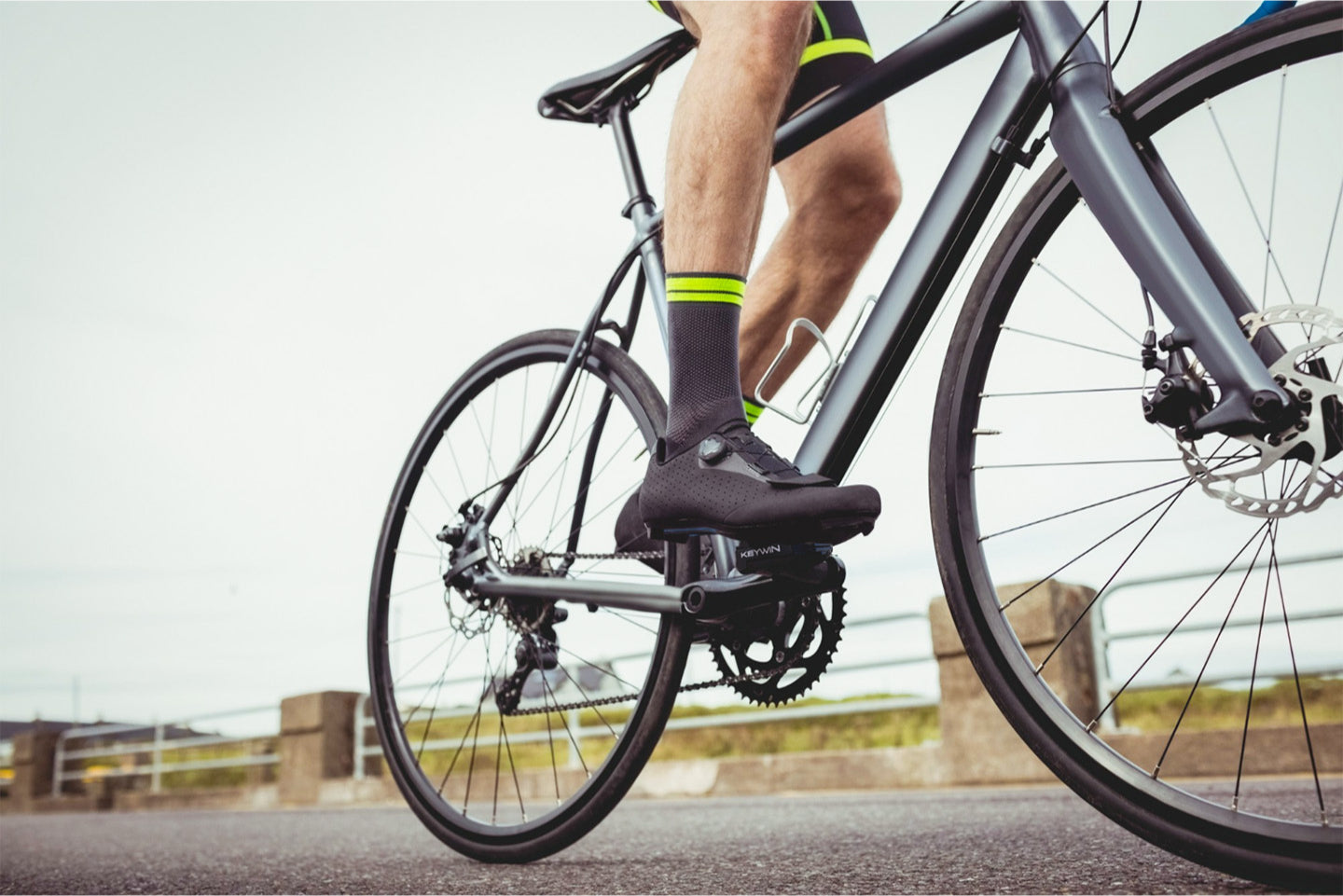
Platform stability matters more than many riders realize. On long rides, your foot is under constant load, and that load is not perfectly smooth. You shift slightly on climbs, settle back into tempo, stand to accelerate, and return to seated efforts over and over. A stable pedal platform reduces micro-movement at the shoe-pedal interface, which helps limit foot fatigue and keeps power delivery feeling clean.
Float is the next major factor. Many riders hear "float" and think only about knee comfort, but the real issue is alignment under load. If your foot is locked too rigidly into a fixed angle that does not match your natural motion, discomfort often builds gradually. A pedal with adjustable or well-calibrated float gives your joints room to find their preferred path without making the connection feel sloppy.
Then there is stack height. A lower stack height places the foot closer to the pedal axle, which can improve stability and sharpen pedaling feel. It also affects bike fit. Riders chasing comfort on long days often focus on shoes, insoles, and saddles, but pedal stack changes the rider's relationship to the entire bike.
Clipless vs flat pedals for distance
For most dedicated road cyclists, clipless pedals are the clear answer for long rides. They offer a more secure connection, better foot consistency, and a more efficient interface during sustained efforts. That does not mean every clipless design is equally good for endurance use, only that the category is better suited to performance road riding than flats.
Flat pedals still have their place. If you are commuting, riding casually, or dealing with a fit issue that makes frequent foot repositioning necessary, flats can feel more forgiving. But for club rides, all-day training, fondos, and fast endurance miles, they usually give up too much in foot stability and pedaling precision.
Among clipless systems, the real decision is not simply whether to clip in. It is how the pedal supports your foot, how the cleat interface manages movement, and whether the release and engagement feel consistent after months of use.
The features that matter most on long rides
A large, supportive platform is one of the first things to look for. Riders often focus on retention mechanism or brand familiarity, but platform support has a direct effect on comfort. The broader and more stable the contact area, the better the load is distributed through the shoe. That can reduce numbness and hot spots, especially on rides beyond three hours.
Axle material also deserves a closer look than it usually gets. Titanium saves weight, and for riders building a high-performance road setup, that matters. Cromoly tends to offer excellent durability and value. The right choice depends on priorities. If you are a weight-conscious rider who still demands stiffness and longevity, titanium can make sense. If you want absolute reliability and cost efficiency, cromoly is hard to fault.
Cleat adjustability is another separator between average pedals and the best pedals for long rides. Fine-tuning fore-aft position, rotation, and side-to-side alignment can make the difference between a bike that feels merely fast and one that feels naturally balanced over long distances. The more precise the setup options, the easier it is to dial in comfort without sacrificing connection.
Durability matters because worn pedal interfaces do not just feel old - they feel imprecise. A hand-built system with tight tolerances and long-term serviceability will usually hold its feel better than a cheaper pedal designed around replacement cycles instead of performance consistency.
Why pedal feel changes after three hours
A pedal that feels acceptable on a one-hour spin can become a problem deep into an endurance ride. That happens because fatigue amplifies instability. As the legs tire, small inefficiencies become easier to notice. The foot starts searching for support. Ankles move more than they should. You may not call it pedal discomfort right away, but your body recognizes it.
This is where low stack height, a secure cleat interface, and stable support set the standard. Nothing comes close to a pedal that disappears beneath the rider in the best way - one that stays solid without forcing the body into a rigid pattern. Endurance comfort is not softness. It is mechanical consistency.
Riders dealing with recurring numb toes or burning under the forefoot often blame shoes first. Sometimes that is correct, but often the pedal is part of the issue. If the platform is too narrow or the interface too vague, the shoe cannot solve the problem alone. The whole system has to work together.
Matching pedal choice to rider type
Not every road rider needs the exact same pedal setup. A lighter rider with a smooth cadence may tolerate a smaller platform more easily than a bigger rider producing higher sustained torque. A masters cyclist with a long injury history may prioritize float adjustability above outright weight. A competitive amateur might want the lightest system possible, but not if it compromises support in the final hour of a hard ride.
That is why the best choice depends on where your discomfort shows up. If your issue is knee irritation, look first at float and cleat alignment. If you get foot hot spots, focus on platform size and shoe stiffness. If the bike feels slightly tall or disconnected, stack height may be the hidden variable.
For riders who care about every contact point, a premium clipless road pedal built around low stack height, adjustable float, and a stable body shape is usually the strongest answer. That combination supports both comfort and speed, which is exactly what long-ride equipment should do.
Common mistakes when choosing road pedals
The biggest mistake is buying on weight alone. Lightweight pedals sound fast, but shaving grams is not enough if support suffers. Real performance comes from the total riding experience, not a single number on a product page.
Another mistake is copying a pro setup without considering fit. Elite riders can tolerate aggressive positions and narrower equipment choices that may not suit a recreational racer or club rider doing five-hour weekends. Your best setup is the one that lets you hold form and power late into the ride.
Many riders also ignore setup after installation. Cleat position should not be treated as fixed forever. As flexibility, training load, and shoe models change, pedal setup may need adjustment too. Small changes can produce major comfort gains.
A performance-first way to think about comfort
Comfort on long rides is often misunderstood as something soft or relaxed. In reality, the best endurance equipment feels efficient. It keeps the rider centered over the bike, reduces wasted motion, and maintains a direct line from leg to pedal to drivetrain. That is why the best pedal designs do more than clip in and out. They manage load, alignment, and support with precision.
This is where a specialist manufacturer has an advantage over a generic component brand. When a pedal is engineered around platform stability, low stack height, adjustable float, and long-term durability, the gains are easy to feel. Keywin built its reputation by inventing the clipless pedal and refining the category around exactly those performance details.
If you are choosing pedals for serious mileage, think less about trend and more about what your body will appreciate at mile 70. The right pedal should feel planted, efficient, and mechanically honest from the first effort to the last climb. Choose the system that keeps your feet quiet and your power clean, and the rest of the ride usually gets better from there.


