

Large Platform Road Bike Pedals Explained
A road pedal can be light, low, and beautifully machined, but if it feels vague under load, you notice it every time the pace lifts. That is why large platform road bike pedals matter. The contact area beneath the shoe shapes how stable the pedal feels, how evenly pressure is distributed, and how confidently you can drive power through the stroke on long rides, hard efforts, and rough pavement.
For serious riders, platform size is not a style preference. It is a performance variable. The right pedal platform can reduce hot spots, improve foot security when sprinting or climbing, and create a more planted connection between rider and bike. The wrong one can leave even a strong rider chasing a more stable feel.
Why large platform road bike pedals matter
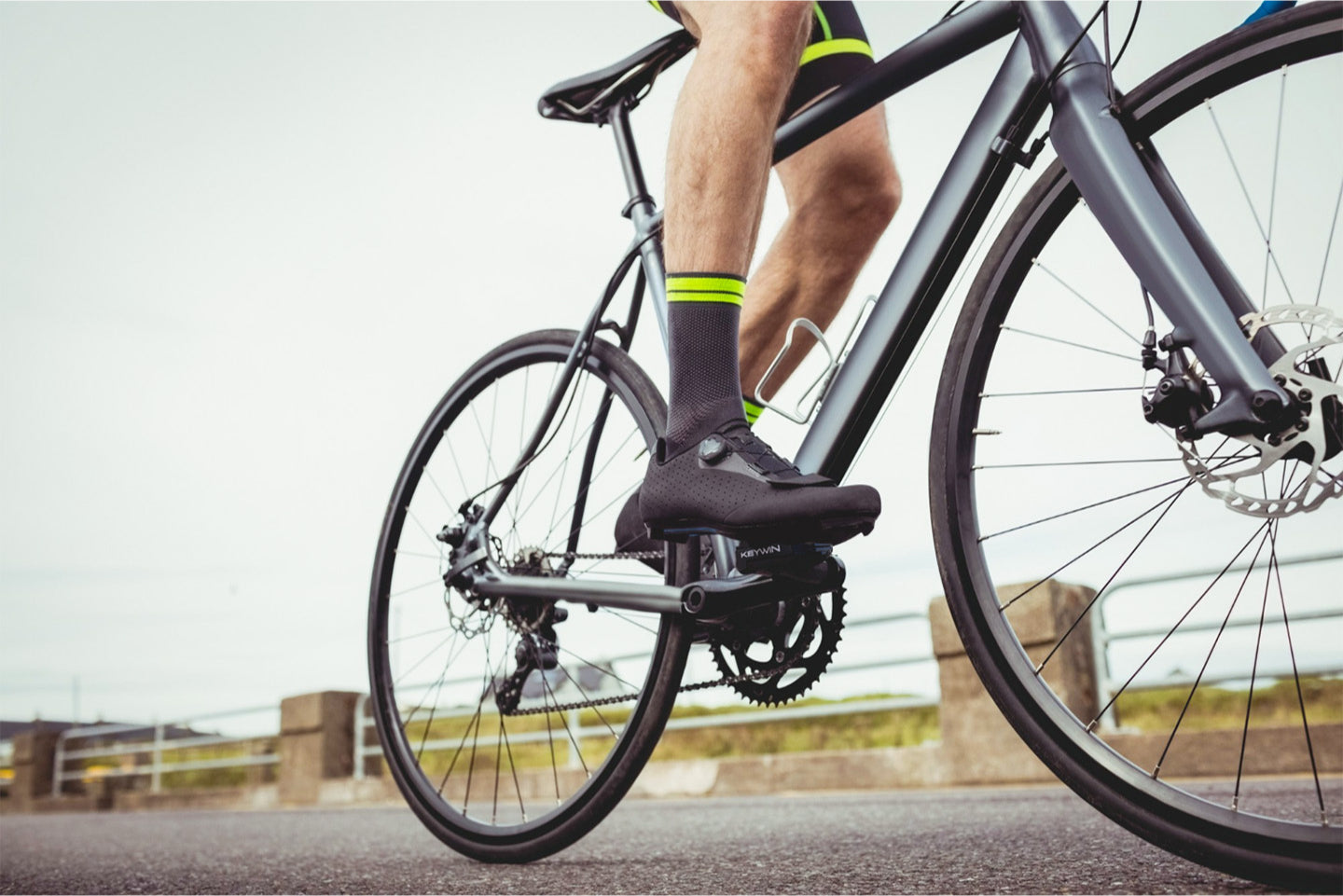
A larger platform changes the feel of the pedal-shoe interface in a very specific way. Instead of concentrating support into a smaller area, it spreads load across more of the sole. That gives the rider a broader, more secure foundation, especially when power spikes or road surfaces get less than perfect.
The immediate benefit is stability. When you stand up to accelerate, the pedal should disappear beneath you. No rocking, no vague edge pressure, no sense that your shoe is balancing on a small contact point. Large platform road bike pedals set the standard here because they support the shoe more evenly and reduce the disconnected feel that can show up with narrower systems.
That broader support also affects comfort. Riders who spend hours in the saddle often notice pressure build-up before they notice outright pain. A bigger platform can help manage that pressure by distributing load more effectively through the shoe. It does not replace a good insole, a stiff sole, or correct cleat position, but it can make those fit elements work better.
Platform size and power transfer
Power transfer is often discussed as if it is only about stiffness. Stiff shoe, stiff pedal, stiff crank, problem solved. Real-world riding is more nuanced. Stiffness matters, but so does how stable the interface remains when force is applied from slightly different angles through the pedal stroke.
A large platform helps keep that interface consistent. When the shoe is better supported, less energy is lost to subtle movement, tilt, or instability at the contact point. The effect is not always dramatic in a parking-lot test, but riders tend to feel it over time - particularly during threshold work, seated climbing, and repetitive training where efficiency compounds.
This is where stack height also matters. A low stack height keeps the foot closer to the pedal axle, which can improve pedaling feel and reduce the sense of standing on top of the bike. A large platform paired with low stack height is a high-performance combination because it gives the rider both support and directness. One without the other can still work, but the best pedals are engineered as a complete system rather than sold on one headline feature.
Bigger is not always better
There is a point where "large platform" becomes marketing language instead of meaningful engineering. A pedal can look broad and still fail to provide clean support if the shape, cleat interface, and contact points are not well resolved. What matters is usable platform area - the part that actually stabilizes the shoe under load.
It also depends on the rider. A heavier rider, a strong sprinter, or someone using very stiff race shoes may benefit more noticeably from a larger platform than a lighter rider spinning steady endurance miles. Likewise, a rider dealing with foot discomfort may feel immediate gains, while another may notice only a subtler improvement in security.
The trade-off is usually weight. Adding platform area can add material, and adding material can add grams unless the pedal is engineered intelligently. That is where premium design earns its place. The goal is not simply a bigger body. It is maximum support with minimum penalty, backed by durable bearings, precise engagement, and a cleat system that stays consistent over time.
What to look for in large platform road bike pedals
The first thing to assess is how the pedal supports the shoe during actual riding, not just in product photos. A pedal should feel planted when seated, stable when standing, and predictable when re-engaging after stops. If the platform is doing its job, the rider notices confidence more than complexity.
The second factor is the cleat interface. Float, release feel, and cleat stability all influence how useful a larger platform really is. A broad pedal body paired with a vague cleat system can still feel imprecise. Adjustable float is especially valuable for riders who are dialing in knee tracking, managing fit issues, or simply want the security of a locked-in pedaling feel without sacrificing joint comfort.
Durability matters more than many riders admit. Pedals live close to the road, take repeated impact, and are exposed to sweat, contamination, and weather. If a pedal develops play, rough bearings, or inconsistent retention, its platform advantage starts to disappear. Serious riders should expect long-term precision, not just short-term performance.
Weight remains part of the equation, but it should be interpreted correctly. Saving grams at the expense of support or durability is rarely a winning move for road riders logging real miles. The best pedal systems protect efficiency in more than one way. They save weight where it matters and hold firm where it counts.
Shoe stiffness, cleat setup, and fit still matter
Large platform road bike pedals can improve the ride dramatically, but they are not a fix for a poor setup. A flexible shoe can still create pressure problems. A badly placed cleat can still overload the forefoot. And a rider with the wrong saddle height or stance width can still feel instability no matter how advanced the pedal is.
That is why pedal performance should be considered as part of the full contact system. Shoe, cleat, pedal, and rider position all interact. When those pieces align, a larger platform becomes more than a feature. It becomes a foundation for repeatable comfort and clean power delivery.
Experienced cyclists often find that small setup changes reveal the value of a better pedal. Move the cleat slightly rearward, adjust float, fine-tune stance, and suddenly the benefit of a more supportive platform becomes much clearer. Precision rewards precision.
Who benefits most from a larger pedal platform
Riders chasing more comfort on long rides are obvious candidates, but they are not the only ones. Competitive amateurs and club riders often benefit because they spend plenty of time at high submaximal outputs, where consistent support reduces fatigue. Masters cyclists may appreciate the combination of stability and adjustability, especially if joint comfort and pressure management are priorities.
Sprinters and heavier riders tend to notice platform support during hard accelerations. Endurance riders notice it later, when feet usually start to complain. Fit-conscious riders notice it in how centered and stable the pedal stroke feels. These are different use cases, but they point to the same conclusion: a well-engineered pedal platform improves the rider-bike connection in ways that are both measurable and immediately felt.
This is exactly why performance-focused brands continue to refine platform shape, stack height, axle materials, and float options instead of treating pedals as a commodity. Keywin built its reputation on that level of focus. When a pedal is designed for efficient power transfer, low stack height, and long-ride stability, the result is not just better hardware. It is a better ride.
The real question to ask
The question is not whether large platform road bike pedals are better in every case. The better question is whether your current pedals are giving you the support, comfort, and precision your riding demands. If they are not, a larger and better-executed platform may be the upgrade you feel on the first hard climb and appreciate most at the end of a four-hour ride.
For riders who care about fit, efficiency, and real performance gains, pedal platform is not a minor detail. It is one of the clearest links between engineering and feel. Choose the system that keeps your foot stable, your effort direct, and your position comfortable enough to keep pushing when the ride gets serious.


