


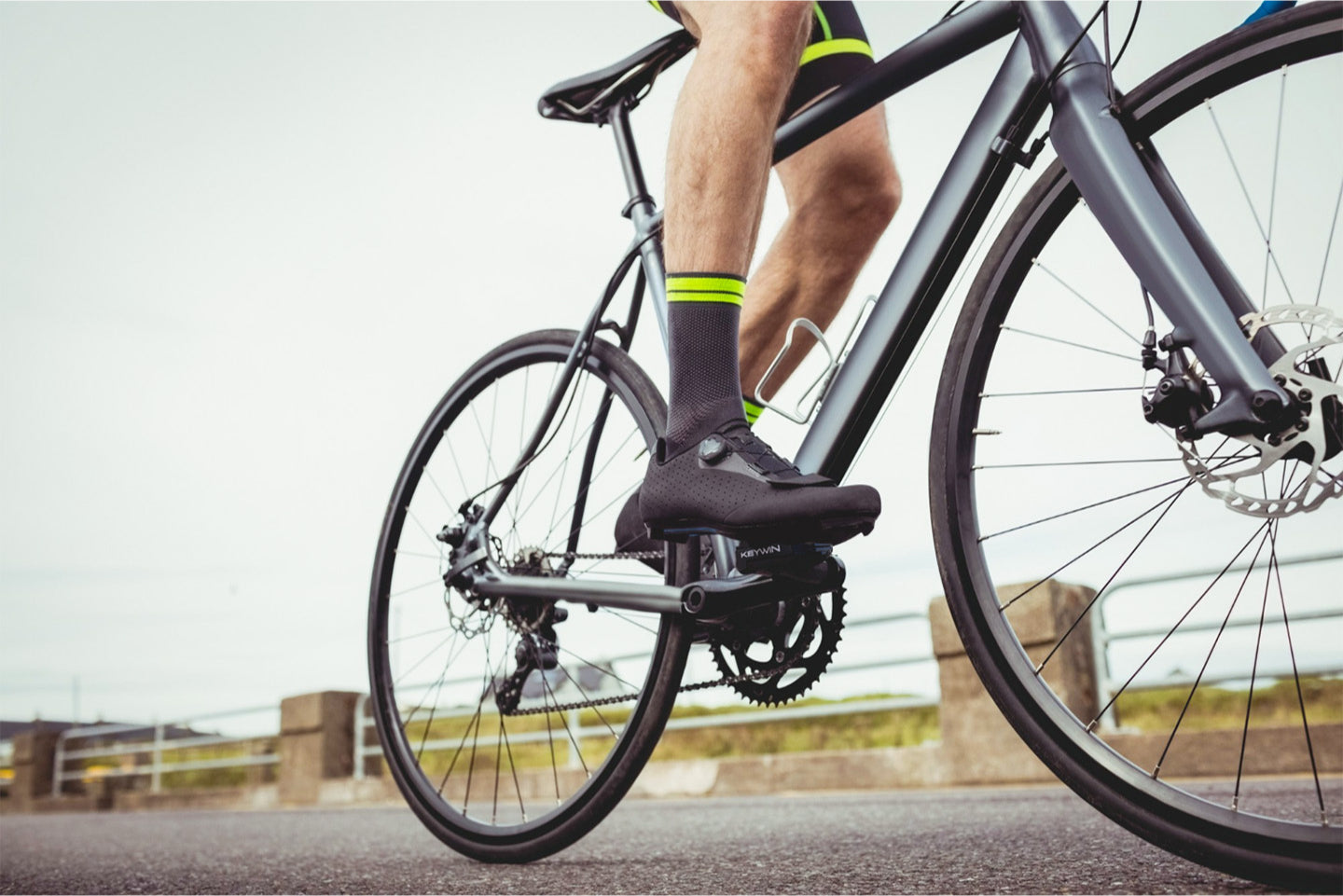

Why Cromoly Axle Cycling Pedals Matter
A pedal axle is easy to overlook until it starts flexing under load, develops play, or leaves you questioning whether your setup is built for real mileage. That is where cromoly axle cycling pedals earn their place. For serious road riders, the axle is not a background part - it is the structural core that determines how confidently power reaches the bike, how stable the platform feels, and how well the pedal holds up season after season.
If you are comparing axle materials, the conversation usually lands on one question: why choose cromoly instead of titanium or a cheaper steel option? The answer is not marketing. It is performance engineering. Cromoly gives riders an unusually effective balance of strength, fatigue resistance, weight control, and durability, which is exactly what matters in a component that takes constant rotational load and repeated force through every pedal stroke.
What makes cromoly axle cycling pedals different
Cromoly refers to chromium-molybdenum steel, an alloy developed to improve strength and toughness over basic carbon steel. In pedal design, that matters because the axle is under more stress than many riders realize. Every acceleration, every out-of-saddle effort, every rough patch of road, and every clipping-in cycle feeds load into that spindle.
A well-made cromoly axle can be engineered to stay stiff under power while resisting long-term fatigue. That stiffness is not just a lab number. On the road, it contributes to a more direct connection between shoe and pedal body. When the axle holds its shape under load, the platform stays consistent, cleat engagement feels more precise, and the pedal tracks more predictably through the stroke.
That is the difference between a pedal that feels merely functional and one that feels planted.
Strength where road riders actually need it
Road cyclists tend to focus on grams first, but axle material is really about priorities. Titanium is lighter, and for some riders that matters. But lower scale weight is only one part of the decision. Cromoly often makes more sense for riders who want high strength with fewer compromises.
A strong axle supports hard sprints, repeated threshold work, bigger riders, and riders who simply put in a lot of miles. It also gives manufacturers more confidence in long-term load handling. That is especially relevant in clipless systems where secure retention, low stack height, and broad platform stability all depend on the structure underneath being absolutely dependable.
There is a practical side to this too. A road pedal should disappear beneath you. It should not ask for attention. Cromoly helps deliver that kind of confidence because it is known for withstanding repeated stress without becoming a maintenance concern prematurely.
Stiffness and power transfer
Pedal feel is shaped by more than the body material or cleat interface. Axle stiffness plays a real role. If the axle deflects too easily under load, the pedal can feel vague, especially when you are driving hard through the front half of the stroke or rocking the bike on a climb.
That does not mean every rider can quantify axle deflection on a ride. It means they can feel the result. A pedal with a stable axle and well-supported body tends to feel more controlled and more efficient. Power transfer is cleaner when the platform remains consistent instead of subtly moving underneath the foot.
For riders chasing marginal gains, this is not a small detail. It is part of the whole system working as it should.
Durability over real mileage
The strongest case for cromoly axle cycling pedals is often made after thousands of miles, not in the first week. Endurance riders, club riders, and competitive amateurs all ask the same thing of their equipment: hold up under use, weather, and repetition.
Cromoly is well suited to that demand. When properly machined, heat treated, and paired with quality bearings, it offers excellent longevity. You get a material that is tough enough for hard riding but still light enough to belong on a performance road bike.
This is where cheaper pedals often reveal their limits. They may copy the look of a premium system, but lower-grade axle materials and less precise production can introduce wear, looseness, or inconsistent engagement much sooner. Riders feel that deterioration quickly, even if they cannot always identify the exact source.
Cromoly vs titanium axles
Titanium has obvious appeal. It saves weight and carries a premium reputation. For pure gram-counting, it can be the right choice. But titanium is not automatically the better axle for every rider or every use case.
Cromoly generally offers higher value for riders who want a race-capable pedal with excellent strength and long service life. It is often the smarter pick for heavier riders, high-torque riders, or anyone who wants maximum confidence in an all-around performance setup. The weight penalty compared with titanium may be measurable, but on the bike it is often far less important than ride feel, structural security, and durability.
That trade-off matters. If you are building an elite hill-climb machine and every gram is under scrutiny, titanium may earn its place. If you want a pedal that balances low weight with no-nonsense reliability, cromoly is hard to argue against.
Where axle material fits into total pedal performance
A strong axle alone does not create a great pedal. It has to work as part of a complete design. Road riders should look at cromoly in context with platform width, stack height, float options, cleat stability, bearing quality, and overall interface shape.
Low stack height can improve pedaling efficiency and help fine-tune fit. A broad, stable platform can reduce hot spots and create a more secure feel under load. Adjustable float can improve comfort and knee tracking for riders who need more setup precision. None of those features delivers its full benefit if the axle underneath them is not up to the job.
That is why premium pedal design is always system design. The axle is one of the hidden parts that makes the visible benefits possible.
Who should choose cromoly axle cycling pedals
For many road cyclists, cromoly is the sweet spot. If you train consistently, ride hard on weekends, race occasionally, or simply value long-term equipment quality over spec-sheet theater, it makes a strong case.
It is especially compelling for riders who want one pedal setup that can do everything well - fast group rides, long fondos, hard intervals, climbing days, and daily training miles. In that role, cromoly offers a performance ceiling high enough for serious riders without asking them to trade away strength for small weight savings.
It also suits riders who care about pedal stability and bearing longevity more than bragging rights. Those riders tend to notice quality in the way a pedal clips in, supports the foot, and stays tight and predictable over time.
What to look for before you buy
Not all cromoly axles are equal. Material choice matters, but execution matters more. The best pedals use precise machining, quality bearings, tight tolerances, and a body design that fully supports the spindle under load. If the pedal body, cleat interface, or bearing system is mediocre, a cromoly axle alone will not save it.
This is also where boutique engineering can set the standard. A hand-assembled performance pedal built around low stack height, stable engagement, and proven axle design will usually outperform a generic pedal chasing a lower price point. Serious cyclists can feel that difference quickly, and more importantly, they can keep feeling it after months of hard riding.
When evaluating options, think beyond the simple question of steel versus titanium. Ask how the axle contributes to platform stability, how the pedal manages long-term wear, and whether the design supports efficient power transfer without sacrificing comfort.
A good pedal should do more than survive. It should sharpen the connection between rider and bike. That is why cromoly continues to matter. In a category full of flashy claims, it remains one of the most sensible choices for road cyclists who expect real performance from every part of the system.
If your goal is a pedal that feels precise on hard efforts, dependable in daily use, and engineered for the long haul, cromoly is not the compromise option - it is often the smart one.


