


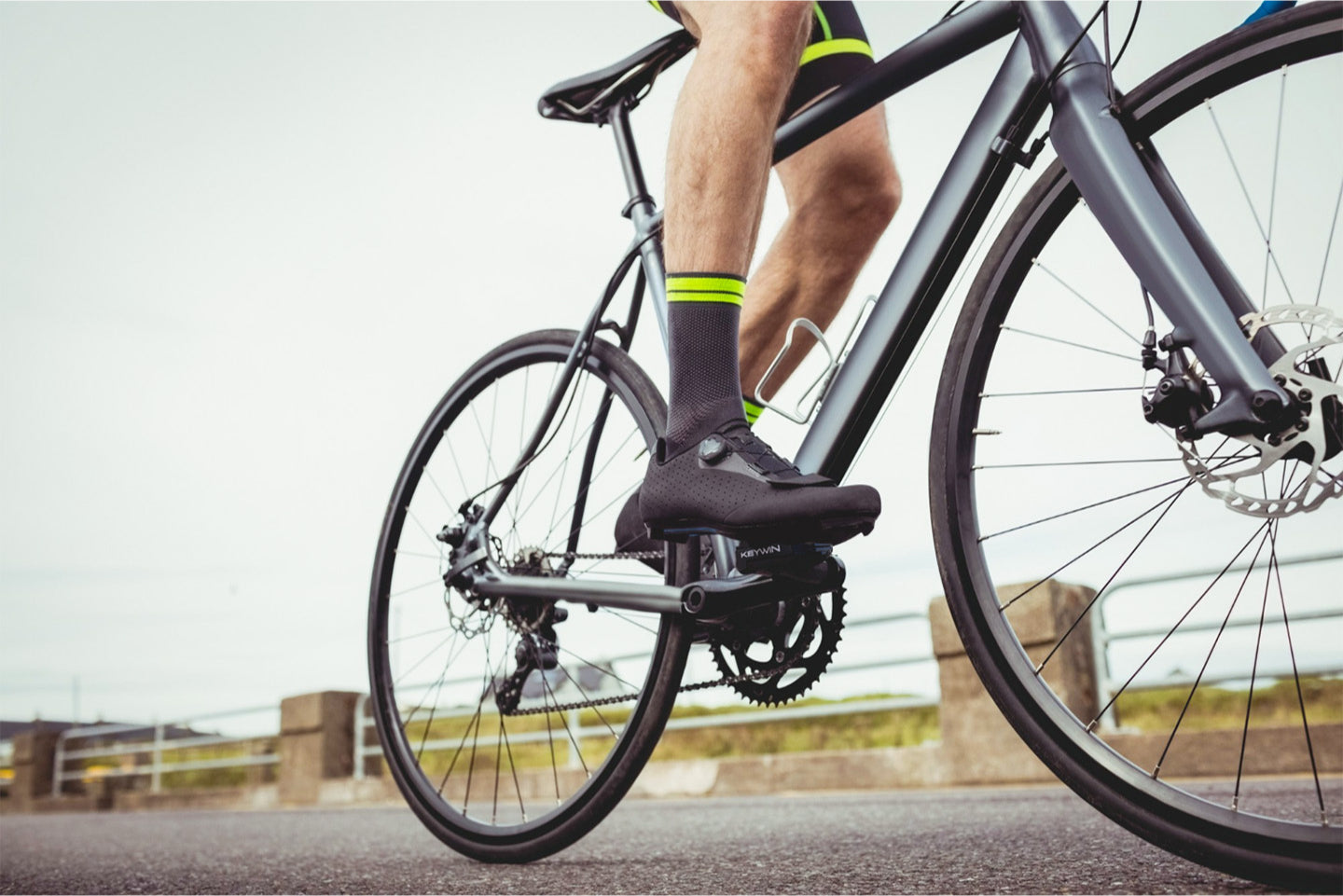

Why New Zealand Made Bike Pedals Matter
A pedal can look like a small choice right up until the ride starts asking harder questions. When you're settling into threshold, holding a wheel in a fast paceline, or trying to stay comfortable three hours into a rough road ride, the pedal interface stops being a commodity. That is exactly why new zealand made bike pedals deserve a closer look from serious road riders.
The difference is not patriotic branding or boutique marketing for its own sake. It is about control over design, manufacturing, assembly, and finish. When pedals are built by a specialist manufacturer in smaller volumes, with a clear performance philosophy behind them, the result is often more consistent engagement, better platform feel, tighter tolerances, and a product that is easier to trust when the ride gets demanding.
What sets New Zealand made bike pedals apart
The strongest case for New Zealand made bike pedals starts with focus. A specialist pedal company is not trying to be everything to every rider. It is engineering one of the most important contact points on the bike around measurable gains - power transfer, stability, comfort, weight, and durability.
That focus matters because clipless pedals are not just retention devices. They influence pedaling mechanics, stack height, cornering feel, hot spots, knee tracking, and the sense of connection between rider and drivetrain. If the platform is vague, if the float feels inconsistent, or if the interface develops play too quickly, you feel it on every ride.
Manufacturing location becomes relevant when it supports tighter quality control. Hand-built production allows closer inspection of axle fit, bearing quality, body finish, and cleat engagement consistency. For riders who put in real miles, that consistency is not a luxury. It is part of how a pedal sets the standard over time rather than feeling good only when it is fresh out of the box.
Performance starts at the pedal
Road cyclists spend a lot of time chasing gains through wheels, tires, and aero kit. Those upgrades can matter, but the pedal remains one of the few components that directly shapes every watt you produce. A premium pedal has to do more than clip in and release cleanly. It should create a stable platform under load, minimize lost motion, and keep the foot positioned close to the spindle for efficient transfer.
Low stack height is a big part of that equation. Bringing the shoe closer to the pedal axle reduces the distance between foot and spindle, which can improve pedaling feel and make the system feel more direct. It is not magic, and not every rider will describe the effect the same way, but experienced cyclists usually notice when a pedal feels closer, flatter, and more planted.
Platform support is equally important. A lightweight pedal only earns its place if it remains stable during hard efforts. Sprinting, climbing out of the saddle, and accelerating through corners all expose weak platform design quickly. A broad, confident contact area helps spread load across the shoe, reduces pressure points, and keeps the rider from feeling like they are balancing on a narrow mechanism.
That is where premium clipless systems separate themselves from generic options. Weight matters, but not at the expense of support. Float matters, but not if it becomes vague. Durability matters, but not if it comes with unnecessary bulk. The best pedals balance those demands instead of optimizing one at the expense of the others.
Craftsmanship is not nostalgia
There is a lazy way to talk about hand-built cycling components, and then there is the real reason it matters. Hand assembly does not automatically make a pedal better. What matters is whether that process protects precision.
With a technically mature product like a road pedal, tiny variations change the ride experience. Bearing preload, axle alignment, body tolerance, and cleat interface consistency all affect how secure and refined the pedal feels. Small-batch production with skilled assembly can keep those details under tighter control than a mass-production line built around volume first.
That is especially relevant for riders who care about long-term ownership. A good road pedal should not be treated as disposable. It should survive repeated engagement cycles, wet rides, race-day intensity, and everyday training without developing the kind of looseness that erodes confidence. Craftsmanship, in this context, means building for repeatable performance, not just premium presentation.
Why adjustability matters more than most riders think
One of the biggest mistakes in pedal selection is treating fit as a shoe problem alone. Shoes matter, cleats matter, but the pedal system plays a major role in how naturally the rider can move through the stroke.
Adjustable float can be the difference between a pedal that feels locked in and one that works with your biomechanics. Some riders want a very connected feel with limited movement. Others need a little more freedom to keep knees tracking comfortably through long efforts. There is no universal best setting. It depends on anatomy, riding style, cleat position, and even how aggressively you load the pedal.
That is why a well-designed system with meaningful adjustability has a real advantage. It gives the rider room to tune for comfort without giving up security. For masters riders, high-volume trainers, and anyone with a history of knee irritation, this can be more important than saving a few grams.
Stack adjusters and cleat setup also deserve more attention than they usually get. Small changes in interface height or cleat position can clean up pedaling feel dramatically. Riders chasing comfort often look first at saddles or insoles, when the actual issue may be underfoot. A high-performance pedal system should support those refinements rather than forcing the rider into a one-size-fits-all setup.
Heritage only counts if the product still delivers
Cycling has no shortage of heritage claims. Most are marketing. The meaningful kind is different. If a company helped define the clipless pedal category and still builds pedals by hand decades later, that history matters only if the current product remains technically relevant.
That is the standard serious riders should apply. Not whether a brand has a compelling backstory, but whether its present-day pedals still deliver lighter weight, stable engagement, low stack, tunable float, and the kind of durability that rewards hard use.
When heritage is backed by continued engineering discipline, it becomes a competitive advantage. It means the product philosophy was not assembled by a marketing team chasing trends. It was earned through long-term specialization. Keywin is one of the few names in the category with the authority to make that claim credibly.
Who should consider New Zealand made bike pedals
These pedals make the most sense for riders who can feel the difference between acceptable equipment and precise equipment. That usually includes dedicated club riders, competitive amateurs, experienced enthusiasts, and masters cyclists who want every contact point on the bike working properly.
They are especially compelling for riders dealing with one of three common frustrations. The first is vague pedal feel - that sense that the shoe never quite settles onto a stable platform. The second is discomfort over longer rides, often caused by poor support or a setup that does not allow natural movement. The third is disappointment with mainstream pedals that seem fine at first but wear into inconsistency sooner than expected.
That said, there are trade-offs. Boutique manufacturing can mean a more deliberate buying decision compared with grabbing whatever is discounted at a large retailer. Riders who care only about the lowest purchase price may not see the value immediately. But riders who prioritize longevity, ride quality, and a more refined interface usually do.
The real value is in the ride, not the spec sheet alone
Specifications matter because they tell you what a pedal is trying to achieve. Carbon bodies, titanium or cromoly axles, low claimed weights, and adjustable float all point to design intent. But the real test is how those choices translate on the road.
A great pedal disappears beneath you in the best possible way. It clips in cleanly, supports the foot without drama, tracks naturally through long efforts, and feels solid when the pace rises. You stop thinking about the mechanism and start trusting it. That is the point where engineering becomes performance.
For riders who take contact points seriously, new zealand made bike pedals are worth attention because they reflect a different standard. Not louder branding. Not more hype. Just a more exacting approach to one of the most important components on the bike.
If your current pedals feel like the weak link in an otherwise dialed setup, that is usually not your imagination. It is often the first sign that a better ride starts under your feet.


